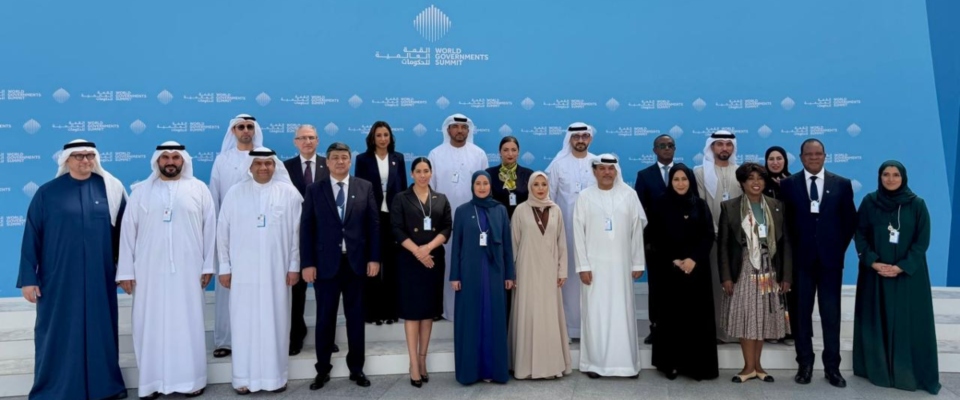
Colombia claimed a leadership role in public innovation at the World Governments Summit 2026 in Dubai, presenting its smart and sustainable cities model as a Latin American reference. The country positioned urban tech as a tool for equity and growth, drawing interest from global partners.
The summit, held February 2 to 5, highlighted Colombia’s framework that blends digital tools with sustainable tourism and local economies. Officials stressed inclusion over gadgets, with US$11.4 million allocated to meet Sustainable Development Goal 11 on resilient cities.
Colombia led the public innovation table, sharing its digital transformation playbook built on AI rules, skills training and trust in institutions. The approach sets the nation apart as a go-to model for balanced tech rollout in the region.
As a reminder, the country’s strategy rests on years of bets in development and security that now draw world attention.
Colombia’s smart cities take center stage
The model focuses on people-first urban upgrades, from traffic apps to green energy grids that cut costs and boost jobs. Colombia showed pilots that tie tech to real gains like safer streets and better services in cities like Medellín and Bogotá.
Budget details underline the push: US$163.5 million fuels nationwide efforts, including 20,000 tech scholarships tied to Google partnerships. Those moves aim to build human capital that drives competitiveness without leaving groups behind.
In Dubai, Colombia hosted forums on Latin America’s tech edge and met UAE firms on AI ethics. Bilateral talks with Azerbaijan and Uzbekistan covered post-2030 city plans, opening doors to joint projects.
However, experts note the real test lies in scaling pilots to rural areas, where connectivity lags urban centers. The summit exposed Colombia to best practices that could sharpen those edges.
Global ties strengthen national push
To this day, Colombia’s digital plan ranks high in Latin America for equity focus. Dubai talks with Google eyed investments in scholarships and cloud tools for public services.
Worth noting, the country secured spots on AI governance panels, sets rules balancing innovation with rights. Those sessions drew from home efforts like nationwide fiber rollout and open data laws.
In reality, urban innovation demands steady funding and cross-agency work, areas where Colombia has gained ground. The summit validated a path that pairs tech with social goals.
This will test Colombia’s ability to turn summit pledges into lasting urban change. New alliances could bring UAE tech or Google scale to pilots, but execution hinges on local buy-in and budgets past 2026.
Rural internet access trails urban centers at around 27% coverage versus 90%, per recent studies, despite fiber pushes and 2,500 community hotspots nationwide. Scaling smart cities demands closing that divide to match Dubai gains.
The country faces skepticism from those who see past tech projects stall on corruption or poor planning. Dubai offered hard-learned lessons in governance that Colombia can adapt to quiet those doubts.
Truth is, smart cities demand more than apps or sensors. Colombia stands ready to prove its model delivers efficiency, jobs and trust that outpace rivals.