

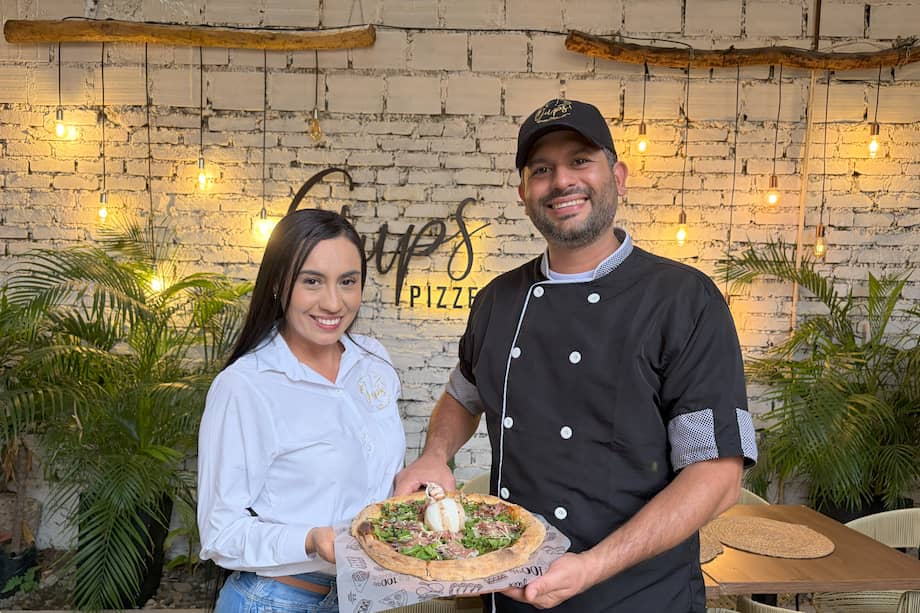
A small apartment kitchen in Neiva became the launchpad for a resilient stories brand. Gups Pizzería Gourmet, created by Colombian entrepreneur Sandra León and Venezuelan chef Gabriel Peña, has grown from a home oven and a second‑hand refrigerator into a gourmet pizzeria where each pizza carries a piece of their shared biography. That resilient story focus has turned a local venture into a symbol of perseverance.
Founders’ paths to a shared kitchen
Sandra, born in Arbeláez, Cundinamarca, left her rural home at 21 with limited money and no contacts in Neiva. She worked long days as a waitress while studying business administration, guided by chefs and business owners who showed that rigorous technique and management discipline could open doors beyond service work. Gabriel, trained in haute cuisine and restaurant management, left Venezuela amid crisis, carrying both Italian kitchen experience and a long‑kept sourdough starter.
Their paths crossed in 2021. By October 2022 they decided to stop being employees and launch a pizzeria that reflected both origins. They framed Gups not simply as a place to eat, but as a resilient stories space, where recipes, ingredients, and names evoke Colombia, Venezuela, and the wider cultures that shaped their careers. Those figures are not merely counts; they show how personal histories can become a brand’s central asset when capital is scarce.
Ghost kitchen grows into a formal shop
A small bank loan, guaranteed by a close friend and his mother, plus their savings, financed the first step. They used the money to buy flour, cheese, a basic oven, a used fridge, and a work table, turning their apartment into a “cocina oculta” (ghost kitchen) that only friends and early customers knew. Initial sales of two or three pizzas per day slowly climbed to 10–15 as word‑of‑mouth brought new orders.
Then came the first shock: the landlord asked them to leave, arguing that the building could not house a growing food business. Instead of closing, they treated the setback as proof that demand was real enough to justify a formal venue.
They searched the north of Neiva, where most clients lived, and rented a small but visible premises on Carrera Séptima, equipping it with more loans, some donated furniture, and pieces they built themselves.
Dough, oils, and the resilient stories menu
From the start, the product itself carried the resilient stories motif. Gabriel kept a masa madre (sourdough starter) alive for more than five years, using it to produce a dough that is aromatic, crisp, and easier to digest than fast doughs. They pair it with a pomodoro sauce cooked in‑house without preservatives, seasoned with basil and spices to keep an Italian profile. Signature pizzas like “La Gups” combine buffalo‑milk burrata, oven‑confit tomatoes, baby arugula in soft pesto, and balsamic vinegar, aiming for a layered, memorable taste.
Packaging reinforces the experience. Each pizza arrives in a branded box with an exclusive seal and a small container of flavored olive oil, designed to be poured on top at the table. This attention to detail helps Gups justify a gourmet label and builds recognition in a city with many low‑cost options.
Scaling with a family team and controlled debt
Growth demanded more risk. The first shop soon became too small, and they moved to a larger location on Avenida La Toma, again with limited capital.
Conventional banks were reluctant because of their short credit history, so they turned to small loans, supplier credit, and reinvested profits from the pizzeria and side jobs. They ran the kitchen and dining room themselves to avoid early payroll costs, a choice that meant long days but also close control over quality.
Over time, they built a core team. Today, a head cook, Milena Ochoa, coordinates recipes and standards, while front‑of‑house staff handle service, a delivery worker takes orders to homes, and a bar assistant prepares drinks like Italian sodas and natural popsicles that complement the pizzas. The founders describe this group as family, emphasizing shared responsibility and loyalty rather than short‑term hiring.
Debt remains part of the equation. Sandra and Gabriel continue to pay the bank and relatives who supported them, treating each installment as a confirmation of trust repaid.
The business, in their view, has already delivered its main return: They moved from employee status to employers, gained recognition as one of Neiva’s notable pizzerias, and became a reference for friends considering their own ventures.
Future branches and the investor question
Looking ahead 10 years, they picture Gups with branches in other Colombian cities and even abroad, taking their sourdough, sauces, and storytelling‑based menu to new markets while keeping the brand artisanal. They do not rule out future investment, but only under conditions that respect their vision and preserve control over key decisions.
Even so, structural market barriers limit scale; access to affordable credit and formal advisory services will shape how far a small gourmet brand can travel outside its original city.
Gups Pizzería Gourmet illustrates how resilient stories can become a competitive advantage when money is tight and competition is intense.
By tying high‑care recipes, careful presentation, and an honest narrative about migration and effort, a Colombian–Venezuelan partnership turned a modest kitchen into a platform for jobs, inspiration, and future growth. Whether that model scales or stays local, it already shows that a well‑built story can be as powerful as any marketing budget.