

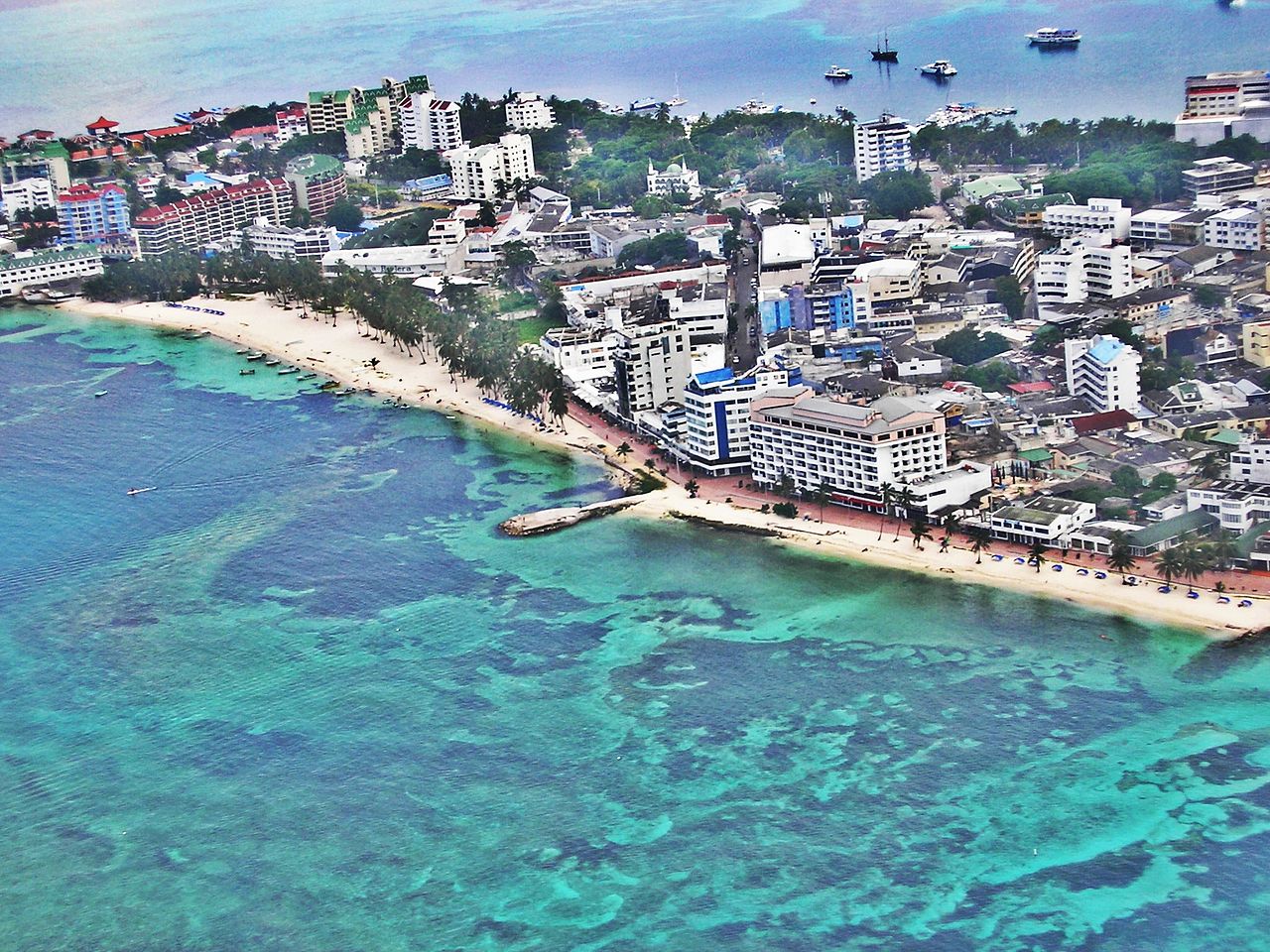
Claro Colombia has activated 5G service in Leticia and the Archipiélago de San Andrés, bringing the technology to 59 cities nationwide, including historically remote areas in the Amazon and Caribbean. That national coverage extends high‑speed connectivity to places long left behind.
Claro now operates more than 2,200 active 5G base stations, which handle over 16% of the company’s total traffic, a figure that exceeds 35% in zones with full service. More than 5 million users have already generated data on the network as of February 2026.
The expansion prioritizes equity, since Leticia—the Amazon gateway—and San Andrés—the Caribbean archipelago—gain speeds and capacity that urban centers have enjoyed for longer, thus closing gaps in infrastructure. President Rodrigo de Gusmao called it proof of commitment, stating “We are bringing cutting‑edge technology not only to large urban centers, but also to historically distant regions, where connectivity is key to development.”
5G brings speed and scale to Colombia’s networks
5G stands for fifth‑generation wireless technology, offering download speeds up to 10,000 Mbps, near‑instant data transfers, and support for up to one million devices per square kilometer. This density suits crowded cities and remote sites alike.
Claro’s rollout began in February 2024, and by the end of 2025, the company had 1,433 active 5G antennas nationwide, according to the Communications Regulation Commission. Mobile internet connections on 5G reached 6.03 million in June 2025—or 12.4% of the total—up 185.5% from 2024.
Those numbers show rapid adoption, because Claro’s network now carries a growing share of everyday traffic, from streaming to business applications, as users upgrade devices and plans. That national coverage builds on steady investment in spectrum and towers.
De Gusmao emphasized the strategic logic, saying “Our bet on connectivity is national and equitable”, while noting that remote areas like Leticia stand to gain most from faster access to education, health services, and commerce. The rollout responds to demand in tourism hubs like San Andrés and trade points like Leticia.
Coverage gaps narrow as demand rises
Urban areas led the way, with Bogotá, Medellín, and Cali seeing early deployments, but the push to peripheries now addresses Colombia’s uneven geography. As a result, the Amazon and islands join 56 other cities with service.
Competition adds pressure, as rivals like Movistar and Tigo also expand 5G, yet Claro leads in station count and traffic share. In turn, users benefit from choice, although full nationwide parity will take years and billions in capital.
Rural skepticism remains, since some experts note that 5G requires dense antenna placement, which challenges jungle and island terrains, and affordability remains a barrier for low‑income households. Meanwhile, optimists point to falling device prices and bundled plans as solutions.
That national coverage pattern favors steady progress, because Claro’s 2,200 stations position it well, but sustaining 16% traffic growth demands ongoing spectrum auctions and regulatory support.
Claro Colombia’s 5G push to Leticia and San Andrés crowns two years of expansion. With 59 cities covered, more than 2,200 stations active, and over 5 million users engaged, the company leads the shift to next‑generation connectivity. To this day, that national coverage will determine whether remote Colombians gain the tools for education, business, and services on par with urban dwellers, or whether geography and costs keep digital divides alive.