

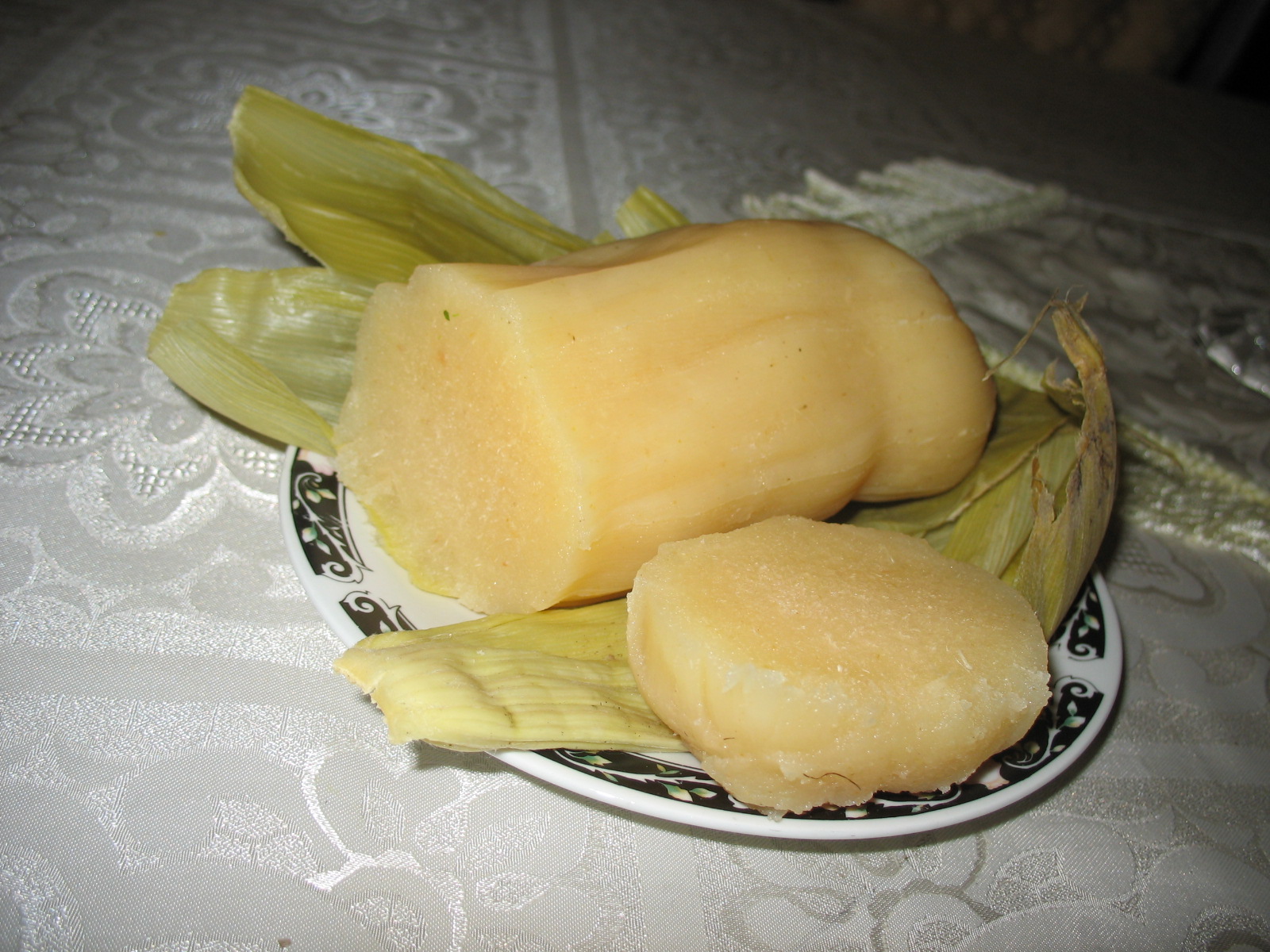
On Colombia’s Caribbean coast, bollos are an essential part of everyday life and regional gastronomic identity. More than just a side dish, these traditional preparations — made from plant-based doughs wrapped in leaves and steamed — represent a culinary heritage passed down from generation to generation.
Their versatility, flavor, and cultural value have made them a staple present in all three daily meals: breakfast, lunch, and dinner (and even in between meals).
In many Caribbean households, the day begins with a warm bollo served with cheese, suero costeño, or coffee. At midday, it appears alongside fish, meats, or stews, and in the evening it returns to the table as a light accompaniment or as part of more substantial dishes.
Bollos: ancestral food prepared with traditional techniques
The preparation of bollos follows culinary methods inherited from Indigenous and Afro-descendant communities that historically inhabited the Colombian Caribbean. Although each variety has specific ingredients, the general process shares common elements.
First, the main base — cassava, corn, plantain, sweet potato, or other produce — is grated, ground, or mashed into a dough. Depending on the type of bollo, the mixture may include salt, sugar, or coconut.
The dough is then carefully wrapped in natural leaves, usually corn husks or bijao leaves, which help retain moisture, add aroma, and preserve the shape during cooking.
The final step involves boiling or steaming the wrapped bundles for a set period, allowing the dough to firm up and develop its characteristic texture: soft, compact, and slightly moist. The result is a practical, nutritious, and portable food — qualities that explain its continued presence in regional diets for centuries.
A diversity of flavors that define Caribbean coastal cuisine
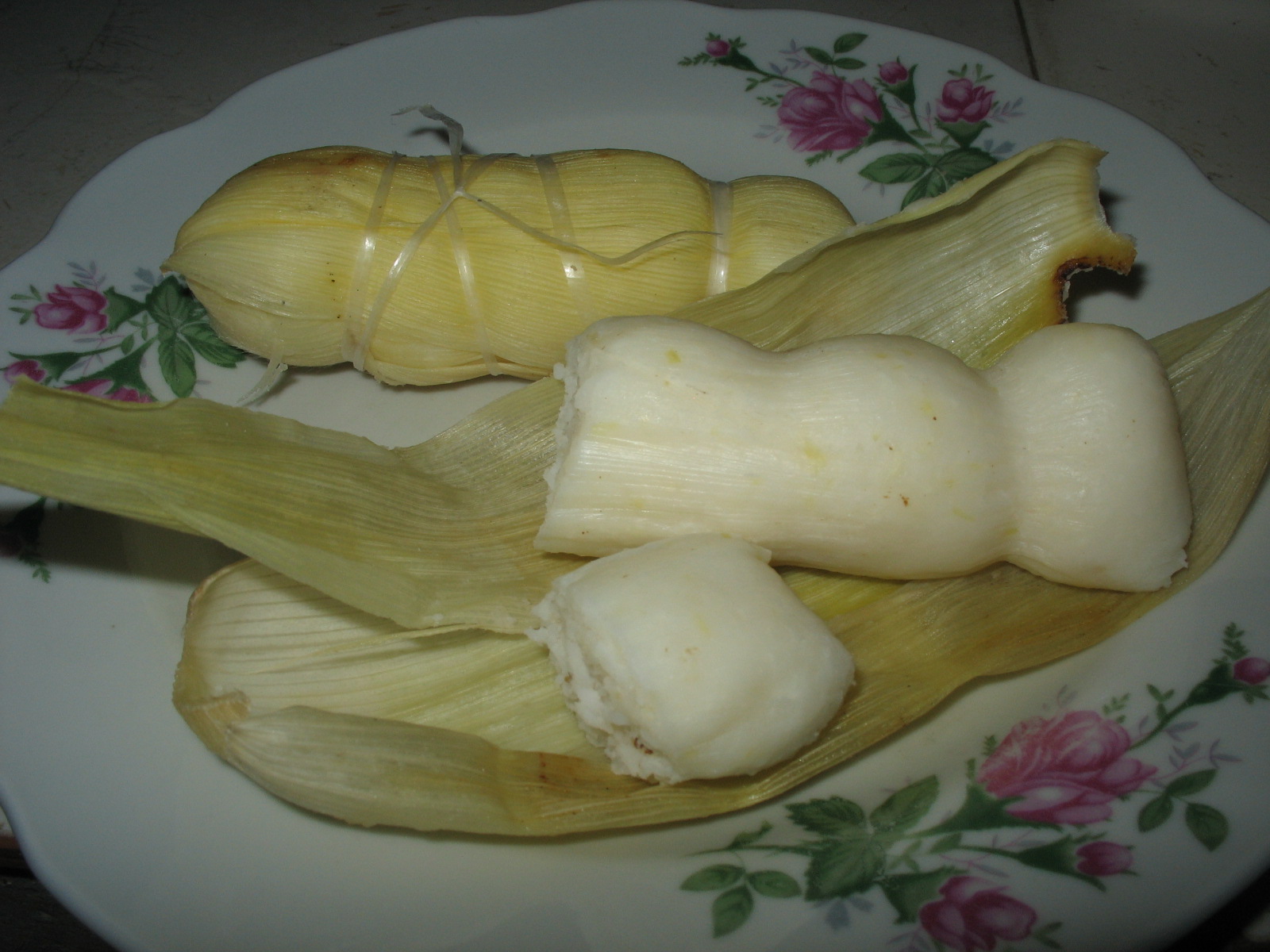
One of the most distinctive features of bollos is their variety. Each type reflects the agricultural richness of the Colombian Caribbean and the culinary creativity of its people.
Cassava Bollo
One of the most popular varieties, cassava bollo (bollo de yuca) is made from grated cassava and is known for its soft texture and mildly sweet flavor. It is often served with butter, cheese, or as a side to fish dishes.
Bollo limpio
Prepared from plain white corn dough without fillings or added ingredients, bollo limpio is considered one of the most traditional versions. Its neutral flavor allows it to pair easily with many foods, from stewed meats to soups or fried specialties.
Fresh corn bollo (bollo de mazorca)
Another widely consumed variety is made from freshly ground corn kernels. It has a richer, slightly sweet taste that makes it ideal for breakfast or hearty meals.
Coconut bollo
This version incorporates grated coconut and anise into the dough, giving it a tropical aroma and a sweeter flavor. It is often found in festive preparations or special meals.
Plantain bollo
Plantain bollo has a denser texture and a mild sweetness that pairs especially well with savory meats or fried dishes.
Sweet potato bollo (bollo de batata)
Distinguished by its natural sweetness and characteristic color, sweet potato bollo is highly appreciated both as a side dish and as a preparation that borders on dessert.
Together, these varieties illustrate how bollos are far more than a simple accompaniment — they are a living expression of culture, history, and everyday nourishment along the Colombian Caribbean coast.