

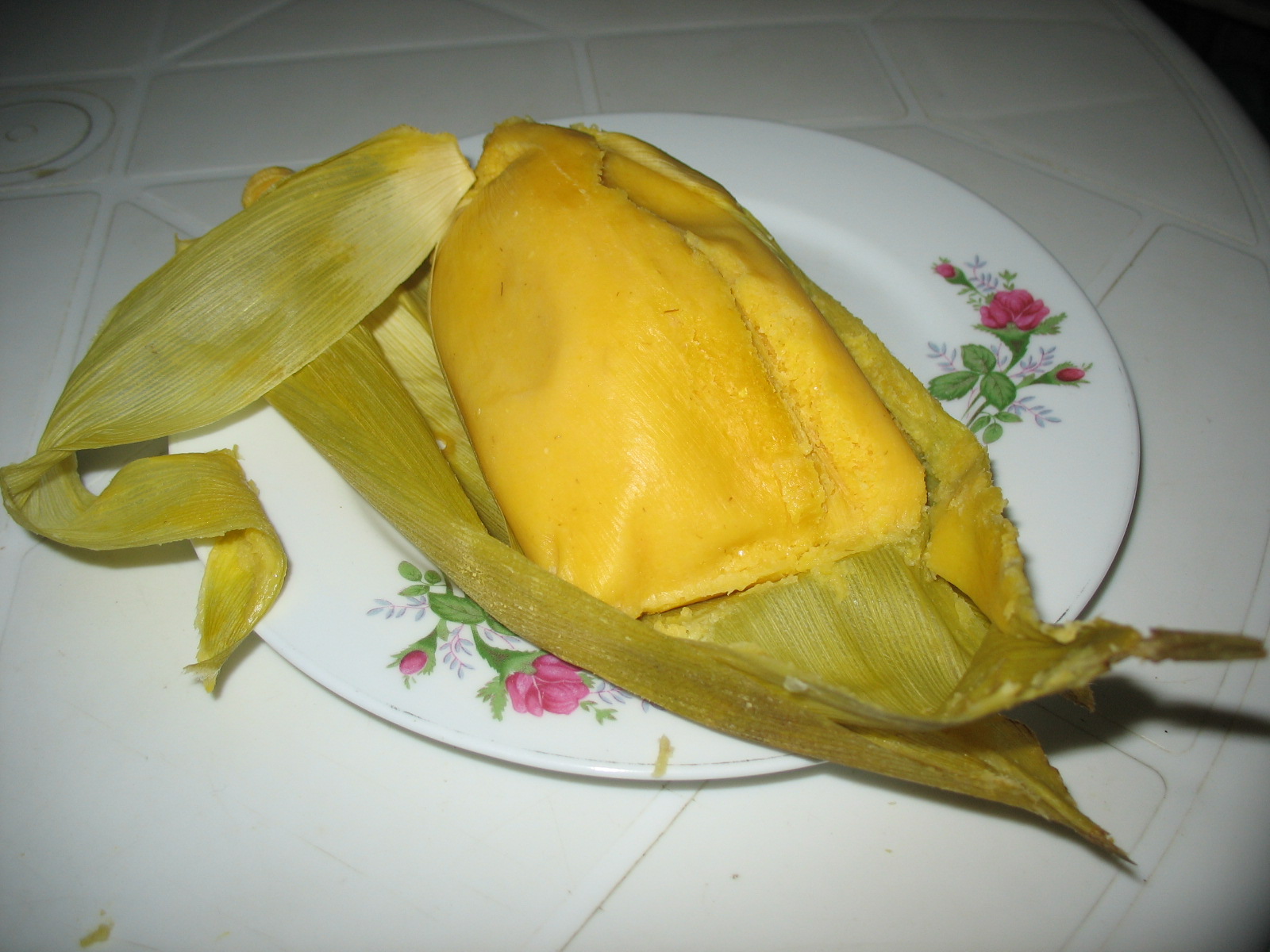
Corn buns are one of the most representative foods of the culinary tradition of the Caribbean region of Colombia. Found on family tables, in local markets, and at street food stalls, these steamed corn wraps are part of the gastronomic identity of cities such as Cartagena de Indias, Barranquilla, Santa Marta, Montería, Sincelejo, and Valledupar, where their daily consumption reflects a culinary heritage passed down from generation to generation.
More than just a side dish, the corn bun is a symbol of tradition, home cooking, and the creativity of a region that has long relied on corn as a fundamental part of its diet.
Traditional preparation of corn buns on the Colombian Caribbean coast
Making corn buns is a process that combines technique, patience, and traditional knowledge. It all begins with corn, which can be white or yellow depending on the type of bun being prepared (yellow corn is the most common).
The kernels are first cooked to soften them and then ground into a smooth, uniform dough. The dough is typically seasoned with anise and a small amount of sugar, which is optional.
The dough is carefully shaped and wrapped in leaves — usually corn husks or bijao leaves — which add aroma and help maintain the bun’s shape during cooking. The wrapped bundles are then boiled in water for an extended period until they reach their characteristic firm texture.
The result is a mildly sweet food that can be eaten on its own or paired with a variety of ingredients. Its artisanal preparation, often carried out in family kitchens or small traditional businesses, preserves a culinary technique that has remained largely unchanged over time.
A food enjoyed at any time of day
On the Colombian Caribbean coast, corn buns are eaten from breakfast through dinner. They are commonly served as a complement to traditional dishes, but also as a snack or quick meal, especially in the morning, when street vendors walk through neighborhoods selling freshly made buns.
Their popularity is partly due to their practicality: They are easy to carry, affordable, and filling. Their mild flavor also makes them highly versatile, pairing well with everything from stewed meats to sour cream, butter, or fresh cheeses.
However, one combination stands out above all others and has become a true regional classic.
@nama.bites A must-have street food in Colombia 🇨🇴! We tried “Bollo de Mazorca” in Cartagena 🌽 What else should we try? #bollodemazorca #cartagena #colombia #streetfood #foodreview ♬ original sound – summer songs<333
ca
The ‘marriage:’ an inseparable pairing of flavors
@cocineramayor Matrimonio: bollo de mazorca con queso #food #foodie #bollodemazorca #parati #quesoconsteño #LoDescubriEnTikTok ♬ El Evangelio – Wganda Kenya
In Caribbean coastal food culture, there is a pairing that has achieved almost legendary status: A corn bun topped with queso costeño (traditional salty coastal cheese). This combination is so popular that it has its own name: the “marriage.”
The name is no coincidence. Like a perfect union, the bun and the cheese complement each other beautifully. The softness and delicate flavor of the corn contrast with the firm texture and salty taste of the cheese, creating a balance that has delighted generations.
The “marriage” is a common choice for breakfast and snacks, and for many people in the region, it represents a flavor deeply tied to childhood, family, and everyday life. More than just a combination, it is a culinary tradition that embodies the essence of Caribbean cuisine: simple, authentic, and full of identity.